
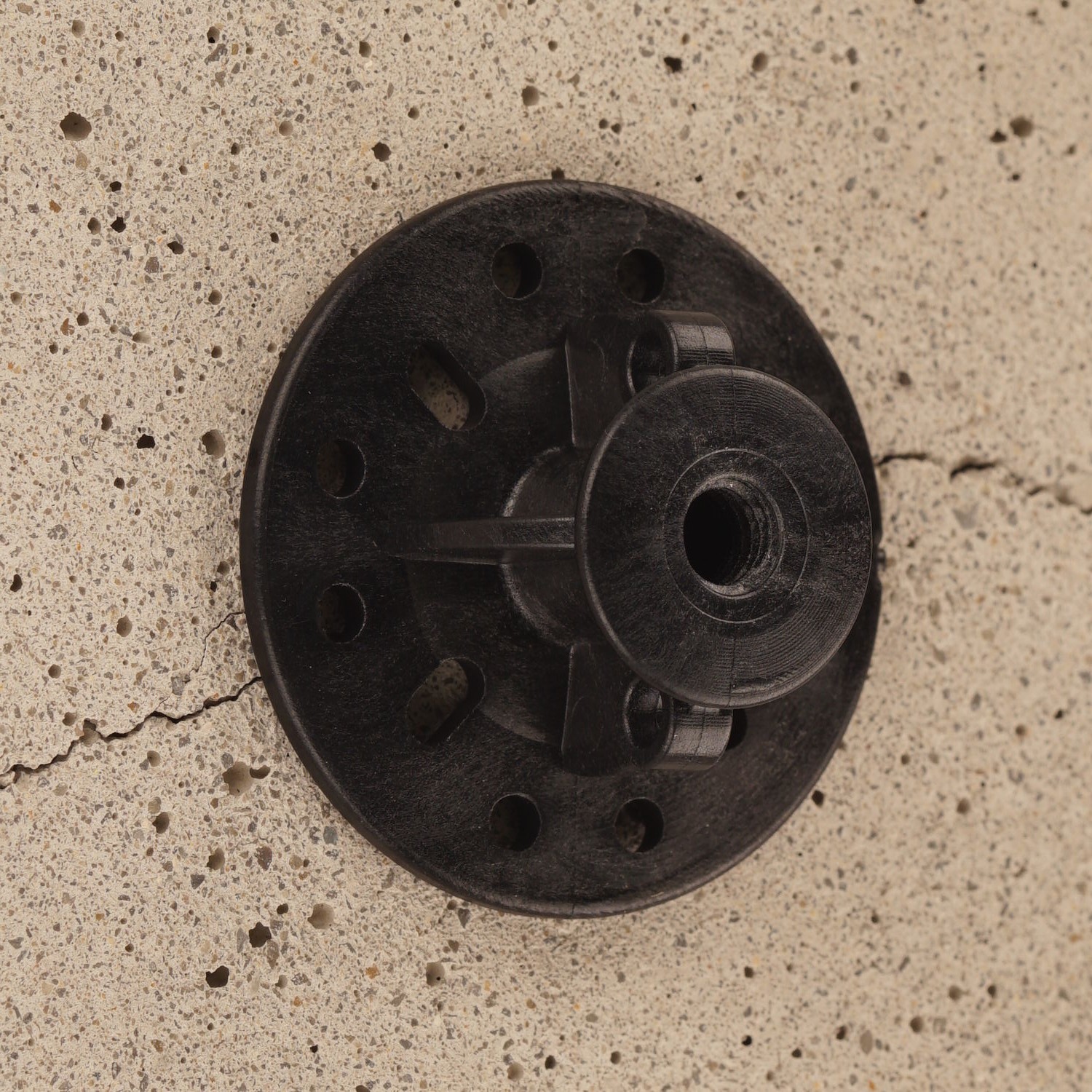
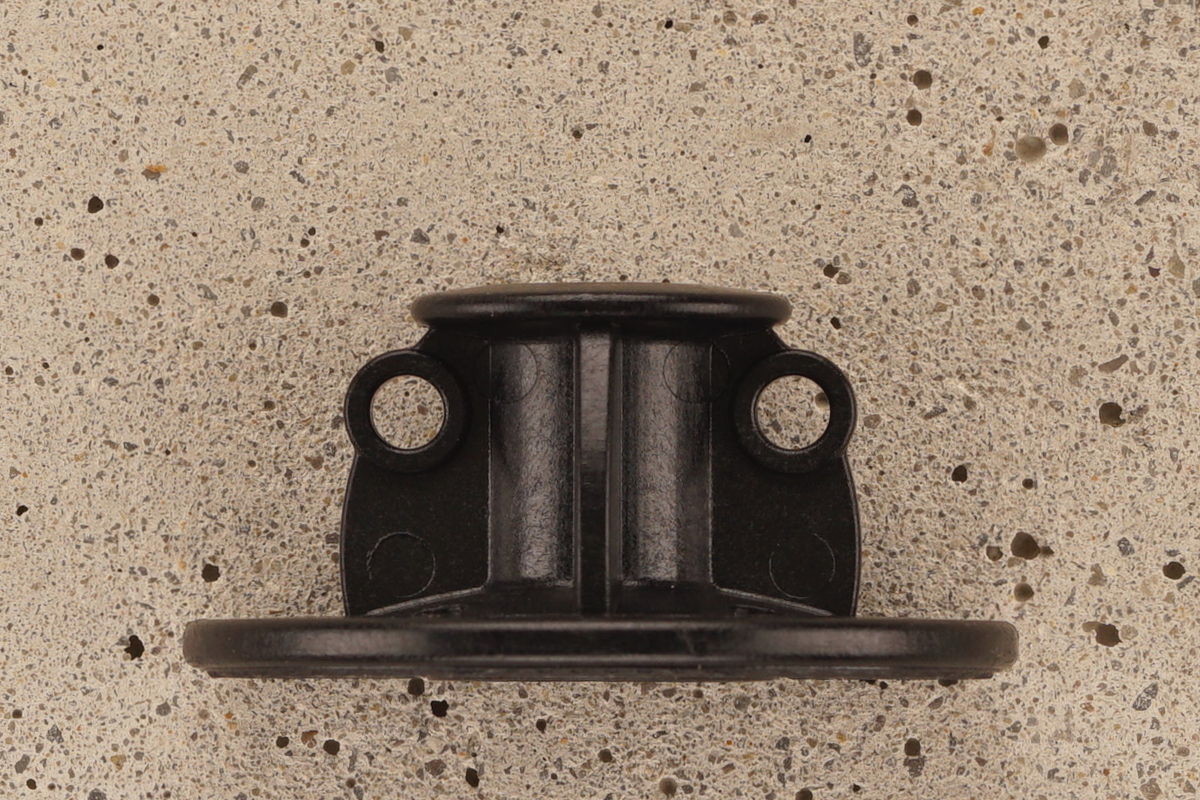
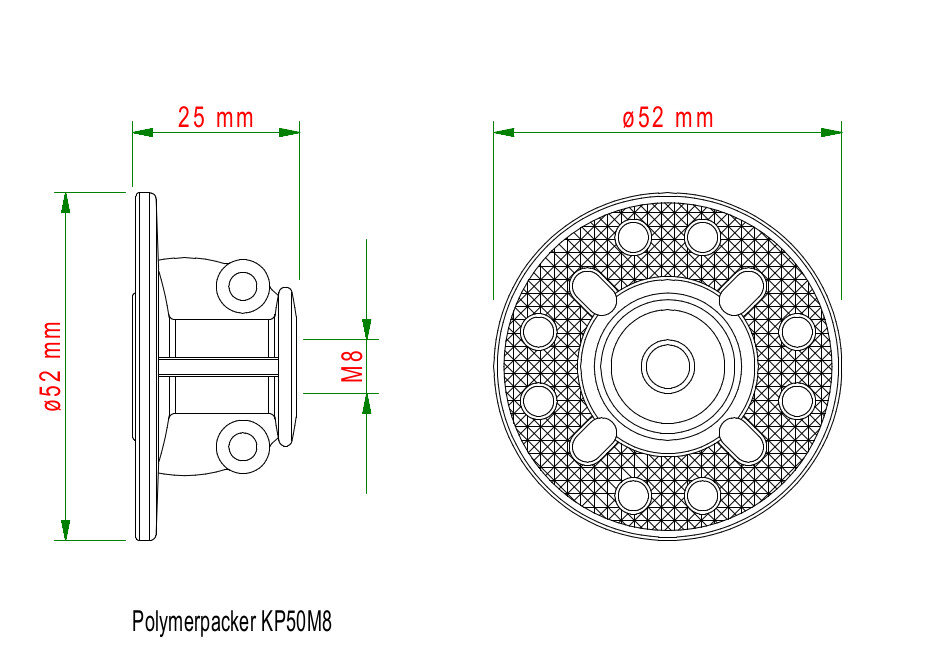
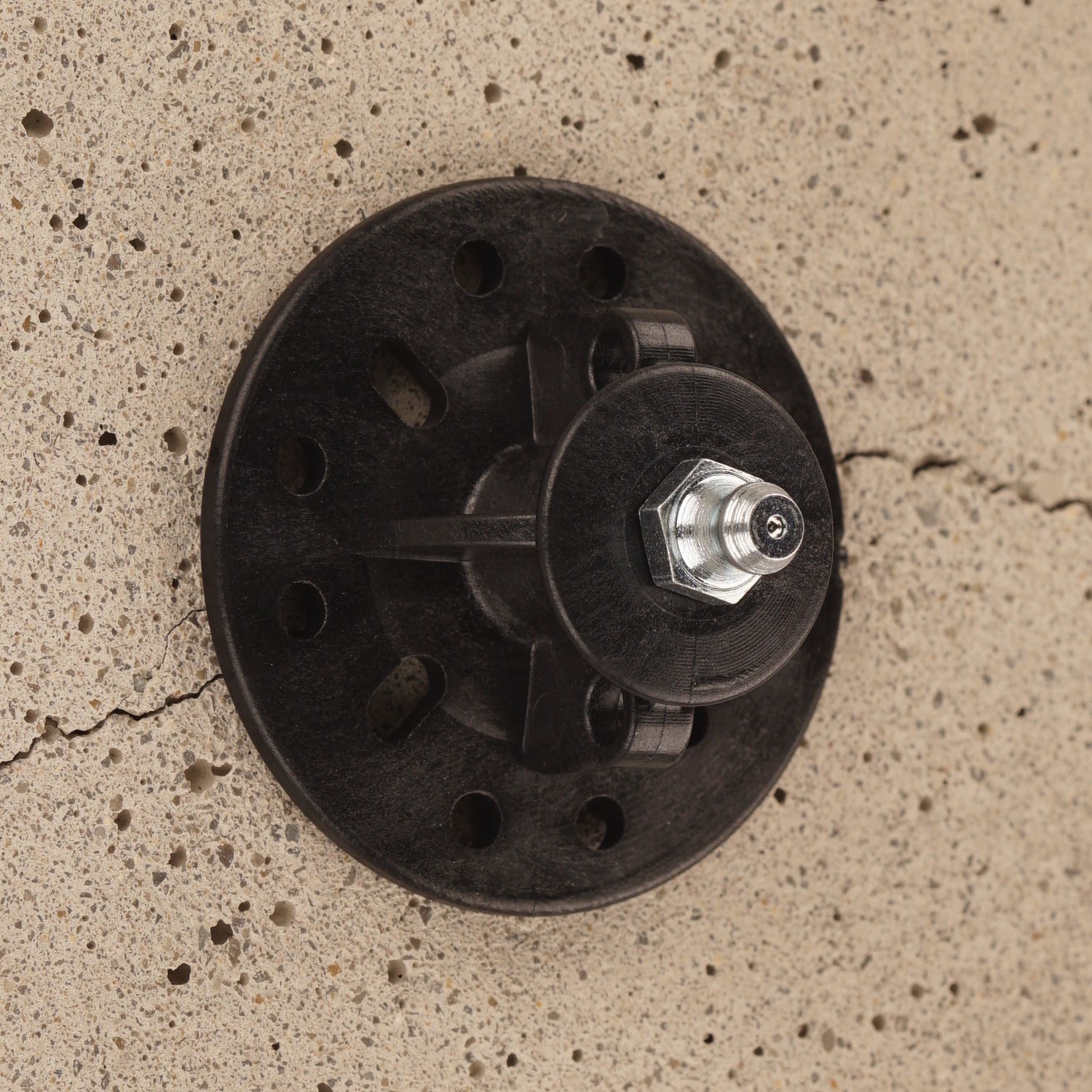
Injection adhesive packer KP50M8
for bonding to surfaces of building elements in which the drilling of holes for crack grouting is not desired or not permitted (ZTV-RIS).
Examples of use: Crack injection on construction elements made of prestressed concrete, concrete with dense reinforcement or exposed concrete elements. Can be used for injecting epoxy resin, polyurethane resin and polyester resin.
Polymerpacker Injection adhesive packer
- Manufactured from a highly adhesive high-performance plastic.
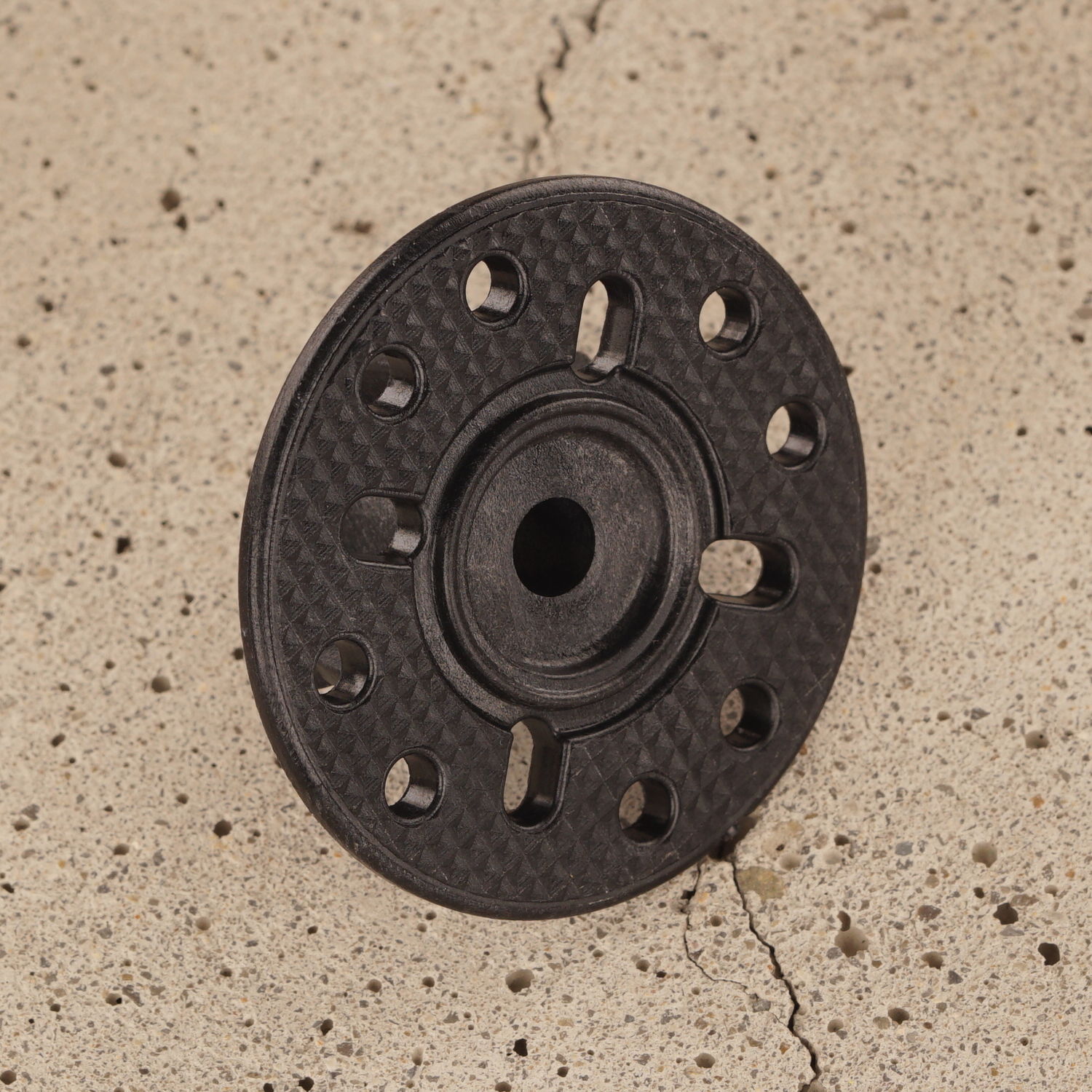
- Adhesive surface with a surface structure optimised for bonding.
- Can be used for maximum injection pressures of up to 60 bar when bonding to solid surfaces with high-quality adhesives.
Polymerpacker Injection adhesive packer. The original, tried and tested product, produced by us since 1993.
Crack injection according to ZTV-RIS on a concrete construction element, so it's as simple as that:
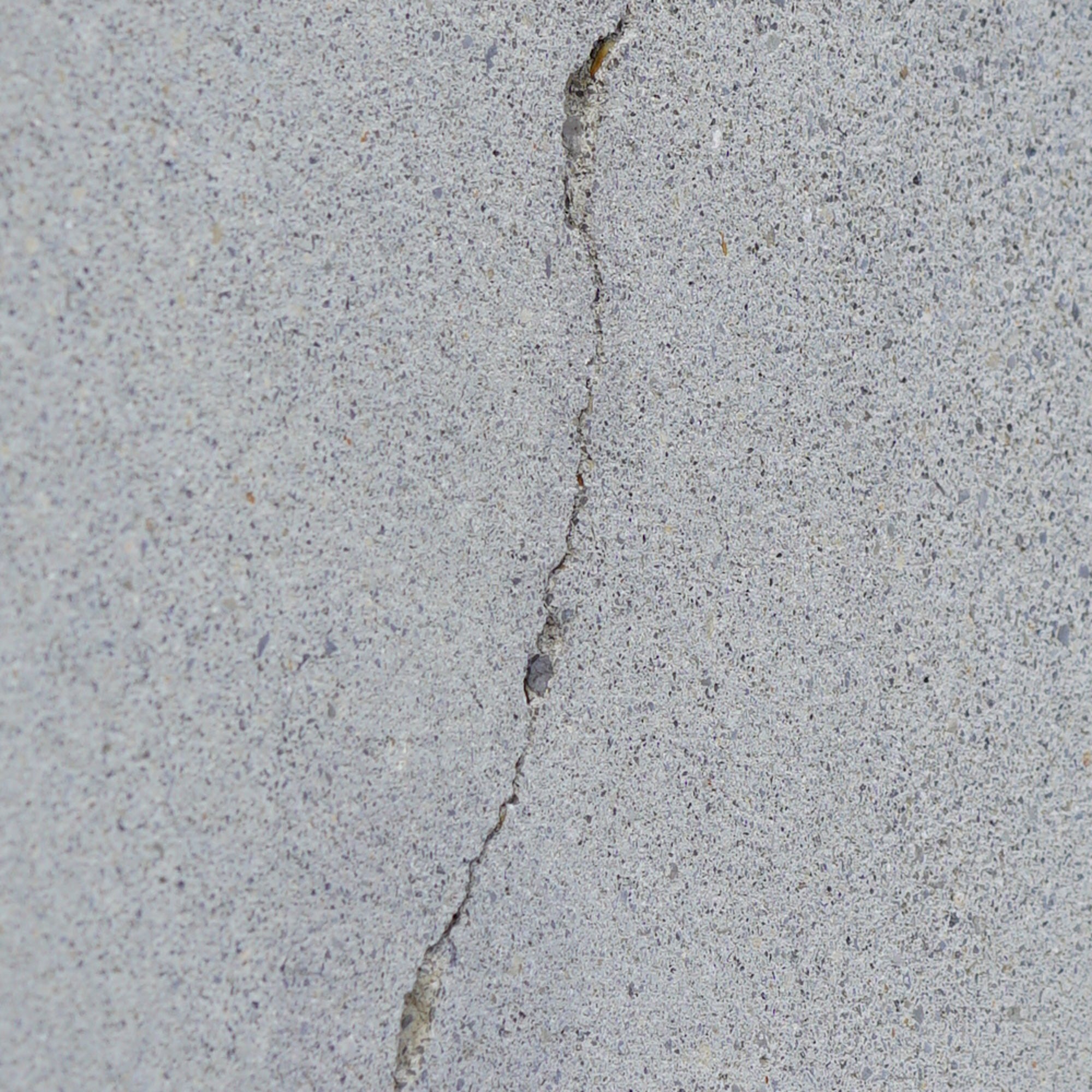
1. Clean the crack by sandblasting or wire brushing and dry with hot air if necessary.
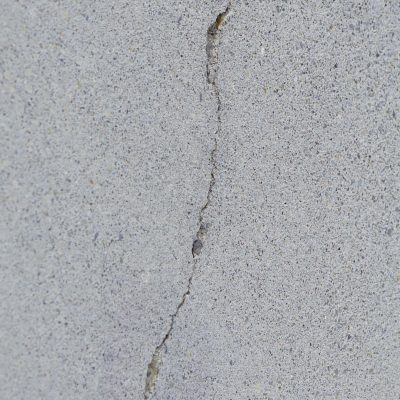
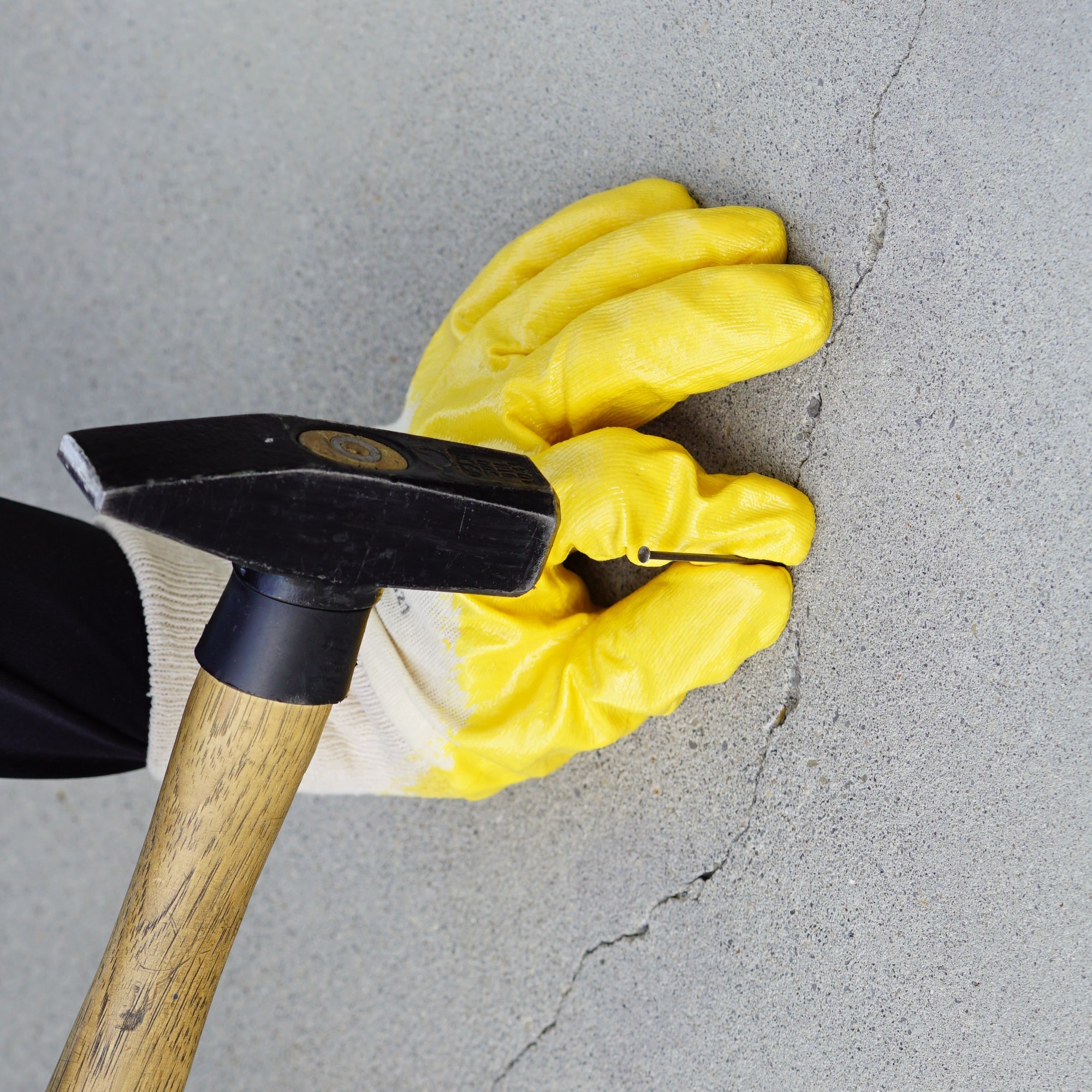
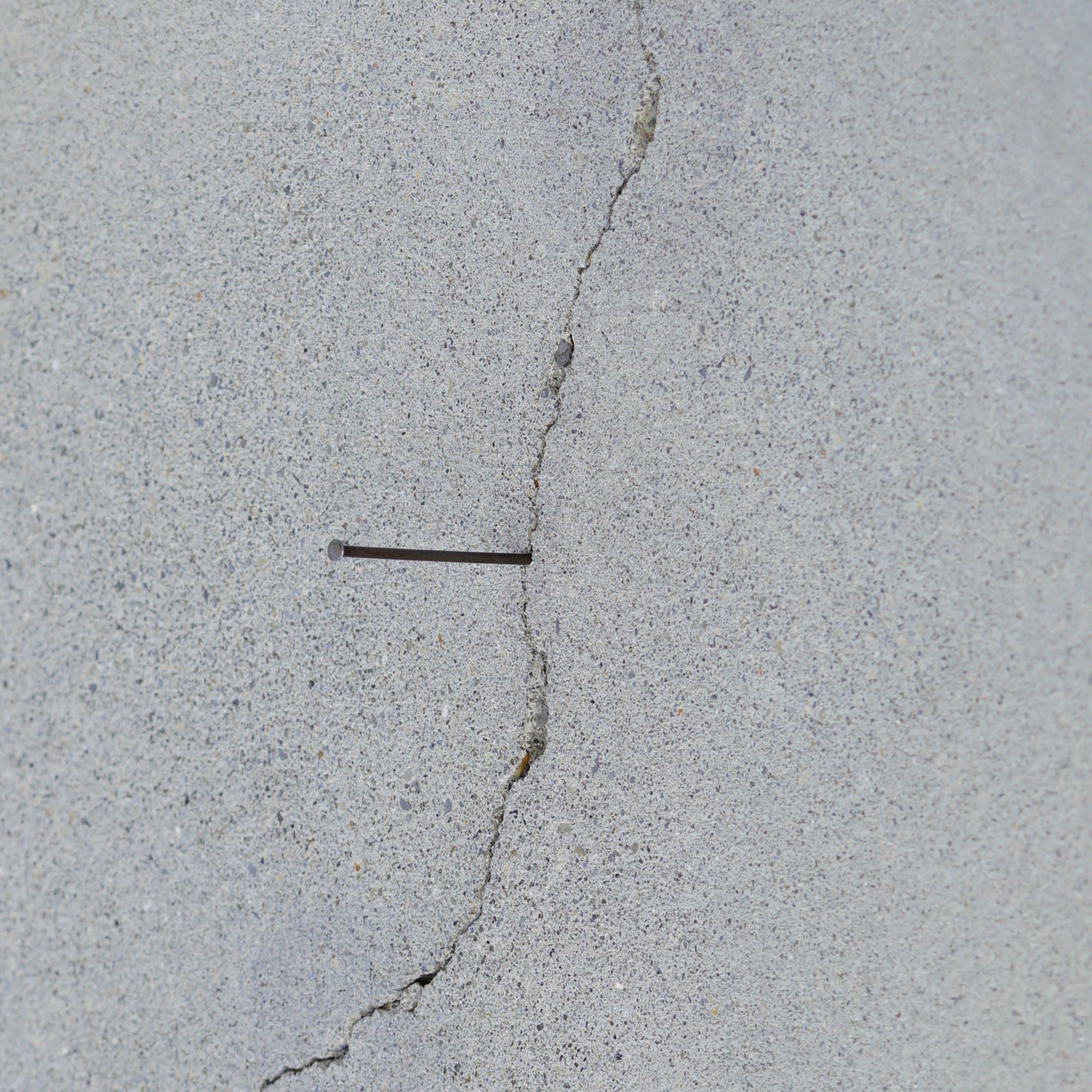
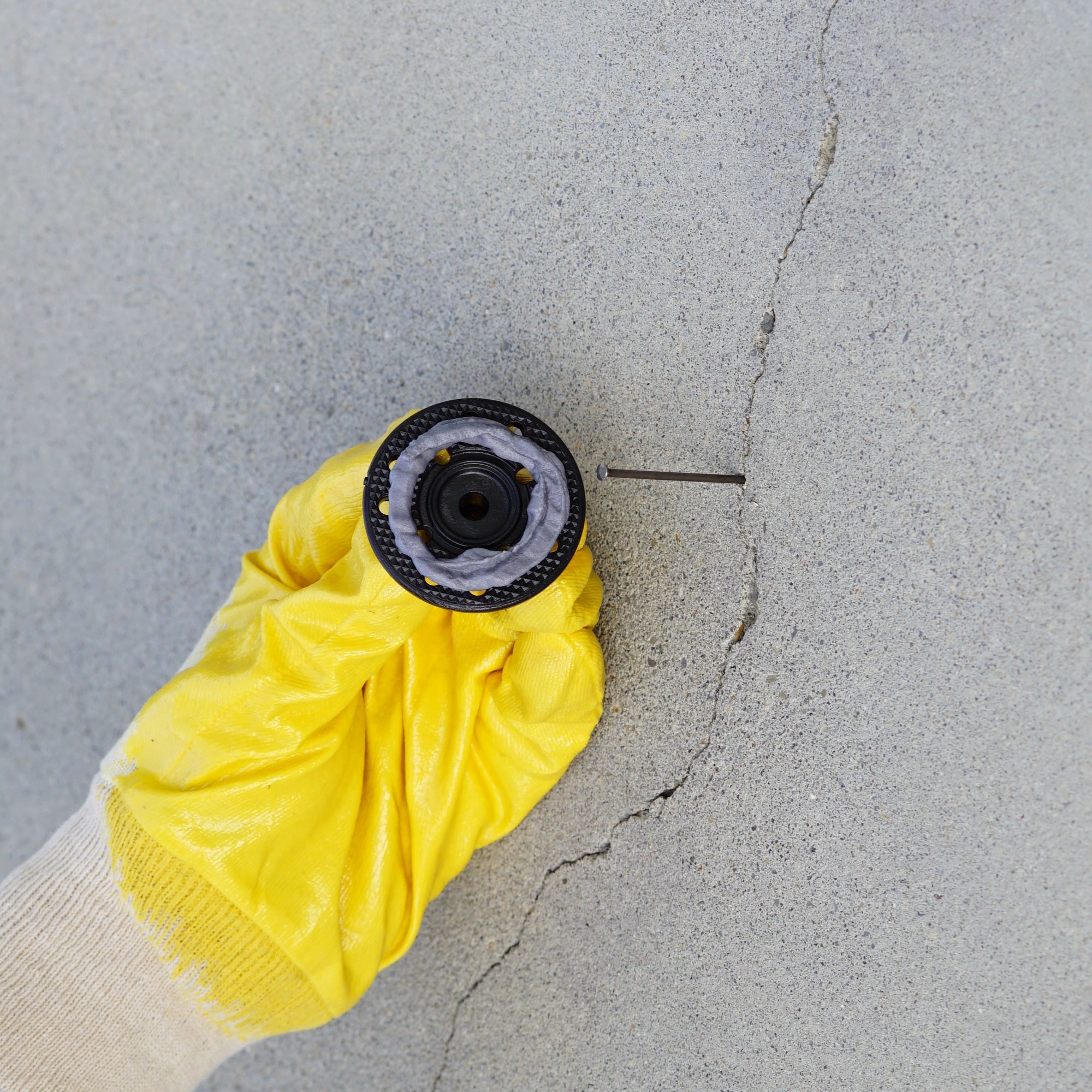
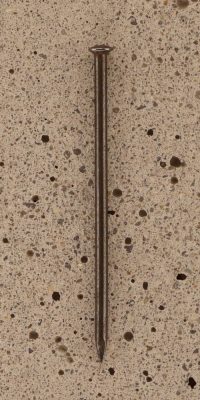
2. To prepare injection channels, drive steel nails at least approx. 5 mm deep into the crack at intervals of approx. 20 cm.
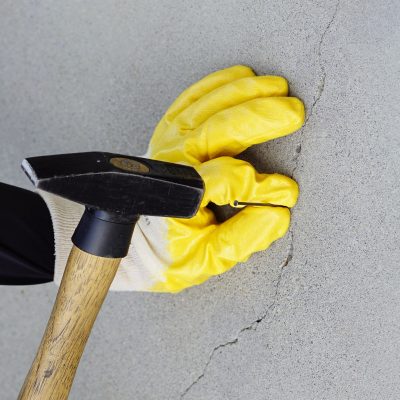
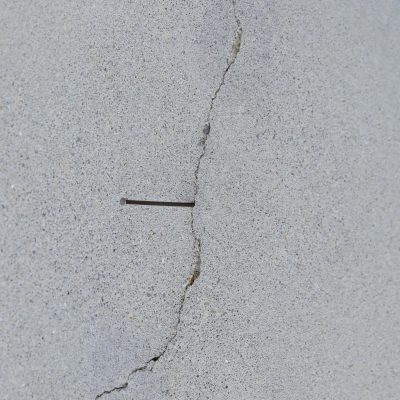
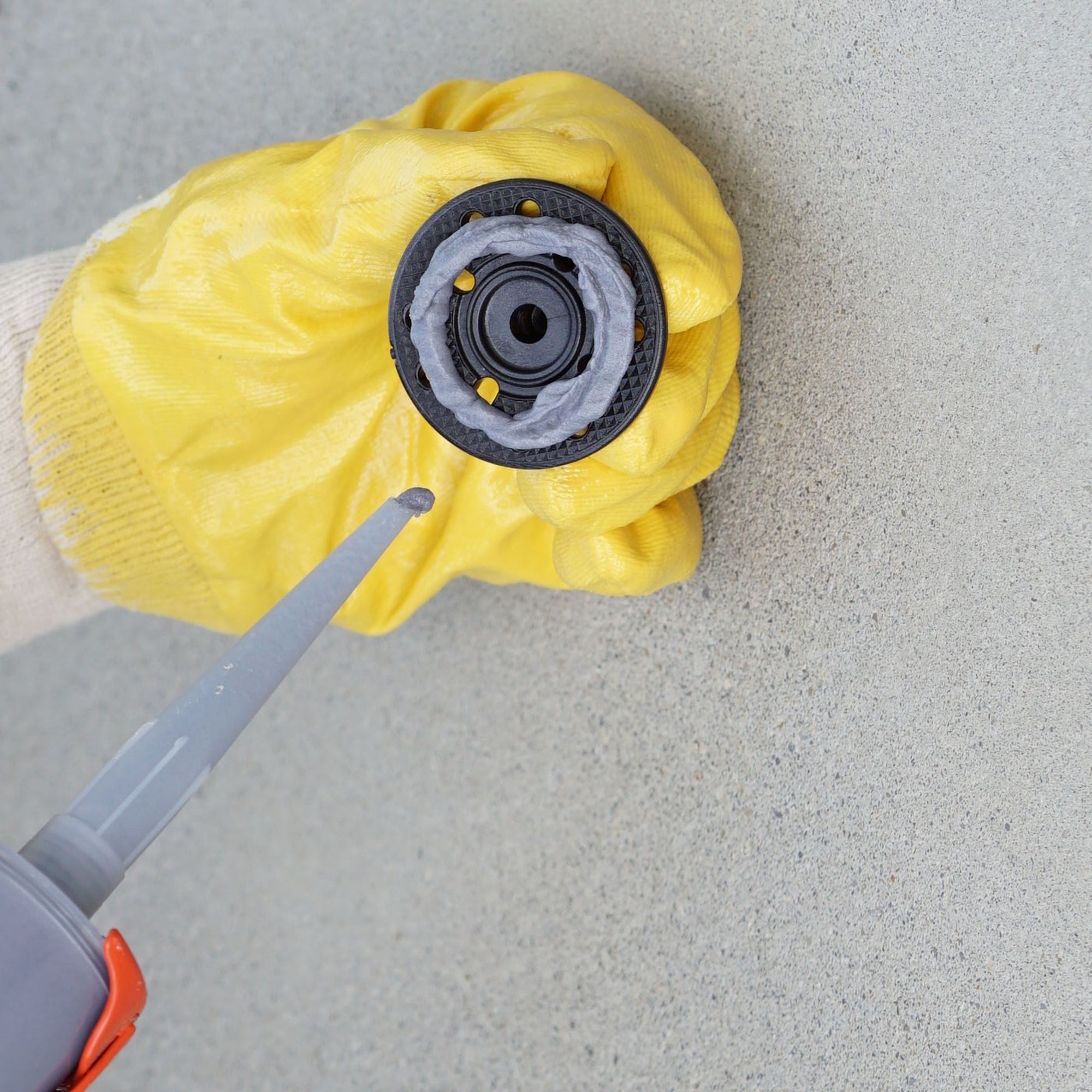
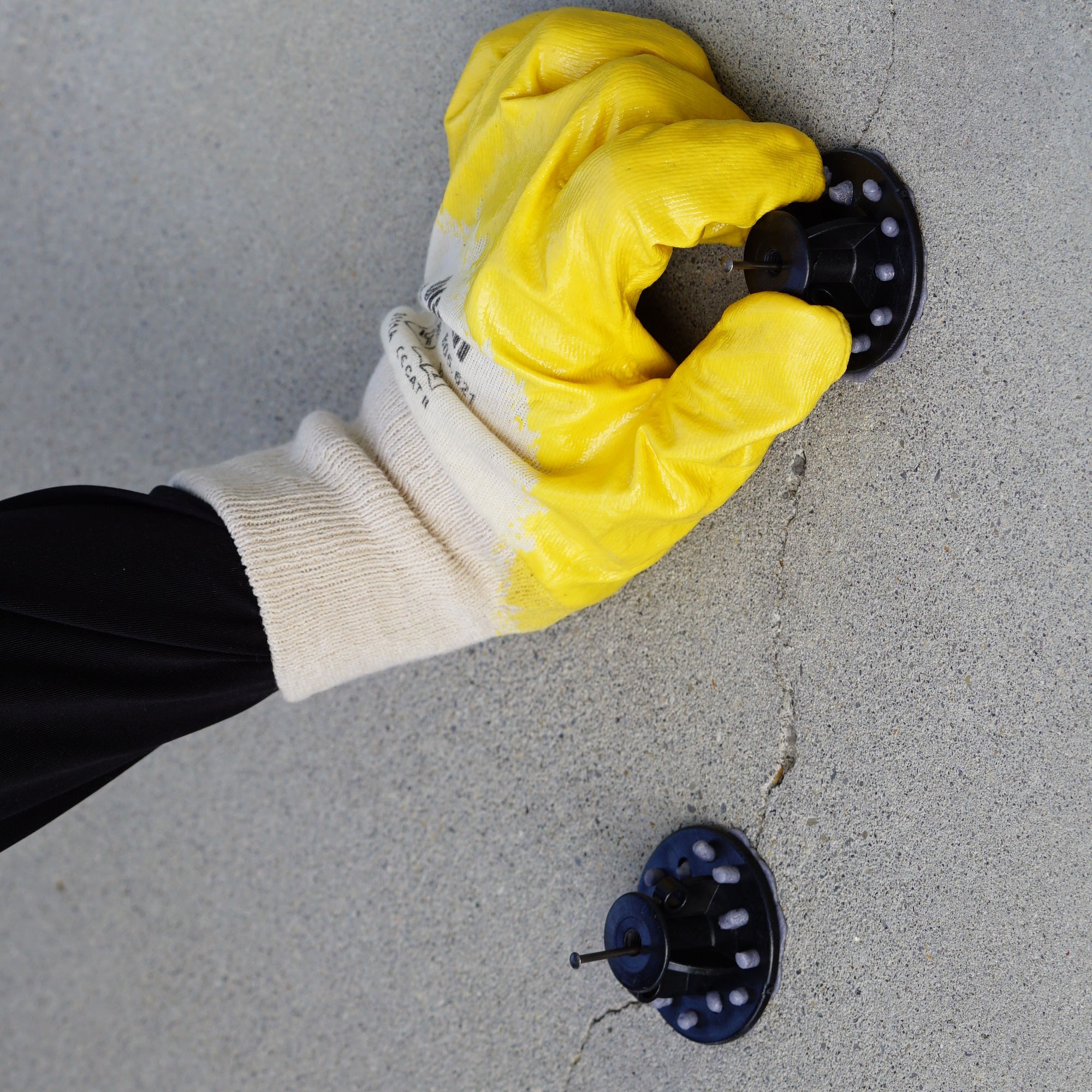
3. Apply a suitable adhesive to the adhesive surface of the adhesive packers and press the adhesive packers over the steel nails onto the surface of the concrete component. The adhesive should emerge from the openings on the back of the adhesive surfaces to create the strongest and most secure adhesive bond possible. The hammered-in steel nails prevent the injection channels from being blocked by adhesive.
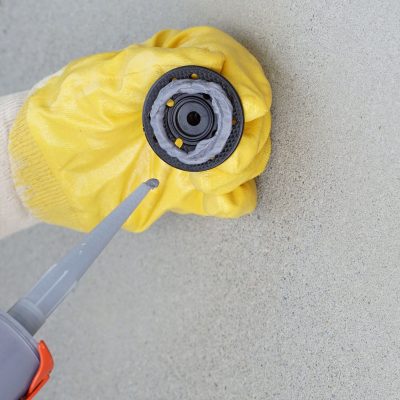
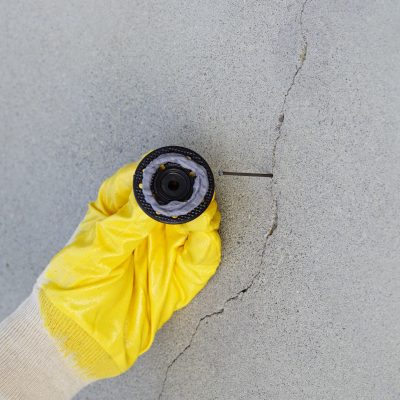
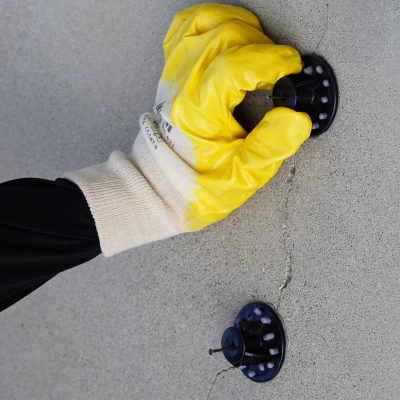
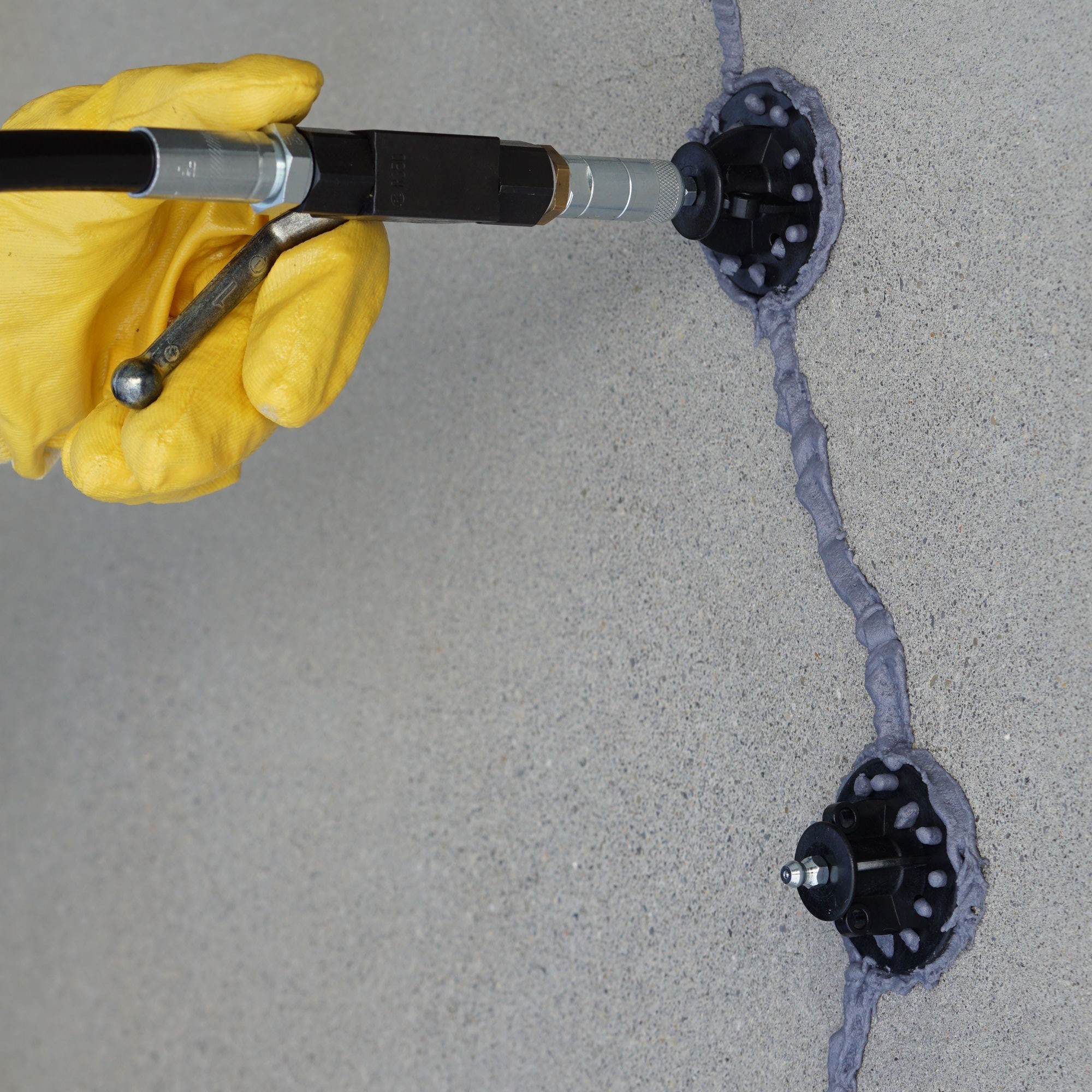
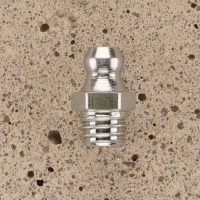
4. Seal the crack with adhesive, pull out the steel nails after the adhesive has hardened and screw the tapered nipples into the threaded holes, but do not tighten them yet.

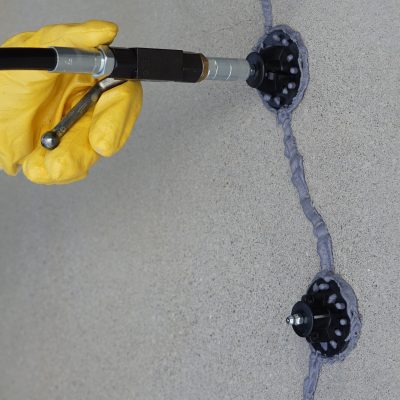
5. Starting at the beginning of the crack on the first adhesive packer, tighten the tapered nipple and inject resin until foam-free resin emerges from the second adhesive packer between the thread of the adhesive packer and the tapered nipple. Now also tighten the conical nipple on the second adhesive packer and inject resin until foam-free resin emerges from the third adhesive packer between the thread of the adhesive packer and the conical nipple. Continue in this order until resin has been injected into all adhesive packers. Then inject more resin into all the adhesive packers. This procedure is intended to systematically press out the air in the crack and avoid air pockets.
Our recommendation:
For crack injection Lowest possible viscosity Use epoxy, polyurethane or polyester resins at a maximum injection pressure of approx. 20 bar. 2-component polyester composite mortar (anchor adhesive) has proved very successful for bonding injection adhesive packers to concrete surfaces.